


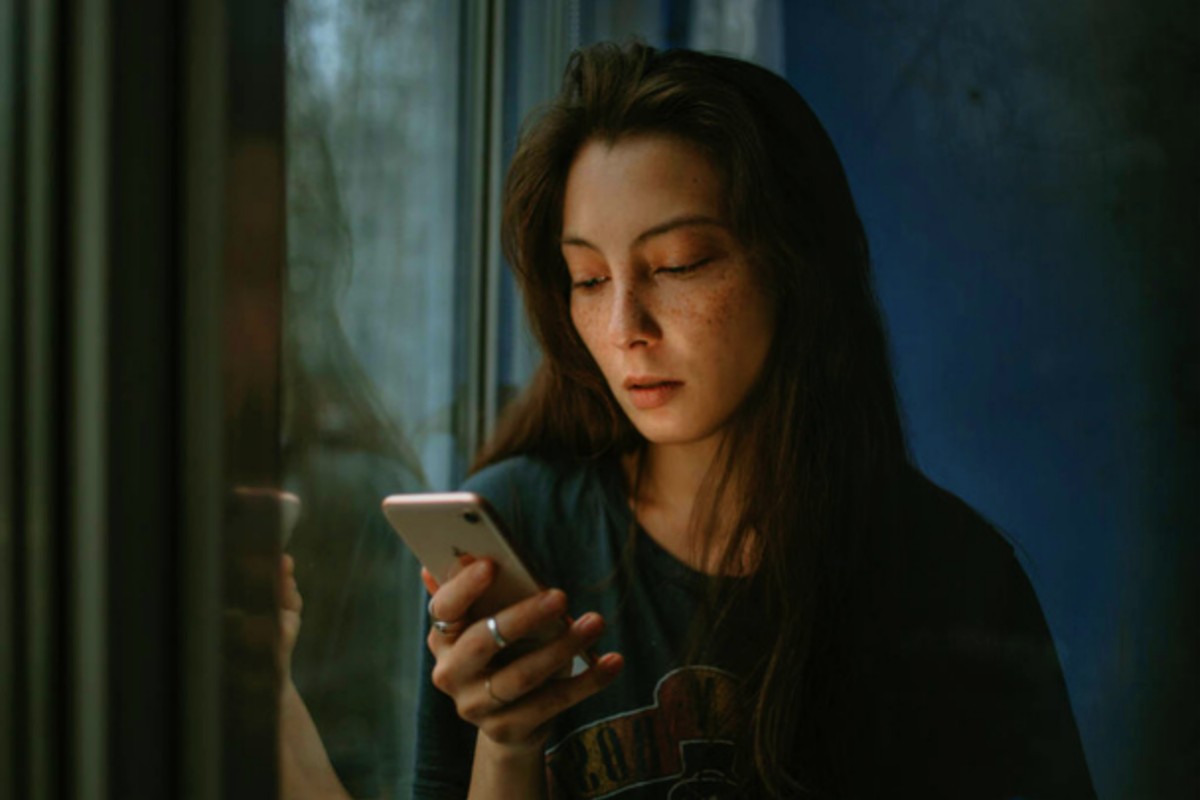
Last night, I found myself sitting on the sofa, rubbing my tired eyes after spending nearly two hours scrolling through short videos.
It was already close to midnight. On my screen, people were sharing beautiful vacations or perfect homes…and carefully edited moments from their lives. Everything looked so bright.
Then I looked around my own living room. There was an unfinished cup of coffee on the table, laundry waiting to be folded, and a long day of work still sitting heavily on my shoulders.
Nothing was wrong, but I still felt strangely empty.
At some point, checking my phone after work became my default way to relax. I told myself I was taking a break, but sometimes I ended up feeling even more exhausted.
It made me wonder: if we have endless entertainment available at any moment, why does it sometimes feel harder to truly relax?
Why Are We Feeling More Tired Than Ever?
For many people, the first thing they do after waking up is reach for their phone. A few notifications become a few minutes of scrolling. A few minutes become an hour of videos, messages, and updates from people we barely know.
The problem is not that social media is bad. It helps us stay connected and share parts of our lives. But constantly switching between different emotions, opinions, and information can leave our minds feeling overwhelmed.
One moment, we are laughing at a funny video. The next moment, we see someone announcing a new house or a major life achievement. Even when we are happy for others, it is easy to start comparing.
A friend once told me, “My life is actually pretty good, but after seeing everyone else’s highlights online, I always feel like I should be doing more.” Social media shows us the best moments of someone else’s life while we experience every ordinary moment of our own.
Virtual Pleasure vs. Real Relaxation
Seeing likes on a photo or receiving kind comments can genuinely make us feel appreciated. For a few seconds, we feel noticed and connected. But that feeling disappears quickly.
After putting down my phone, my room is still the same room. My unfinished tasks are still there.
Recently, I noticed something interesting while cooking dinner. I spent almost three hours making pasta from scratch. The kitchen became messy, flour was everywhere, and there were dishes waiting in the sink.
But during those three hours, I barely thought about my phone. I was focused on simple things: preparing ingredients, adjusting the flavor, and enjoying the process. The happiness I felt afterward lasted much longer than the excitement of watching another short video.
Maybe real relaxation does not always come from adding more stimulation. Sometimes, it comes from slowing down enough to actually experience the moment.
Self-Care Is About More Than Looking Good
When people talk about self-care, they often think about skincare routines, beauty treatments, candles, or relaxing baths. Me too.
But self-care is not only about appearance. It is also about how we feel inside our own bodies.
For many people, modern life creates a strange distance between themselves and their own needs. We spend hours looking at screens, answering messages, and focusing on outside expectations. Sometimes, what we really need is a private moment to reconnect with ourselves.
This is one reason why intimate wellness has become a growing part of modern self-care conversations.
For some people, exploring intimate wellness is not about chasing a certain result. It is simply another way to relax, understand themselves, and create a personal routine that helps them feel comfortable and confident. Everyone has different ways of unwinding. Some people exercise, some journal, some enjoy creative hobbies, and some explore products designed for personal relaxation.
The Growing Interest in Intimate Wellness
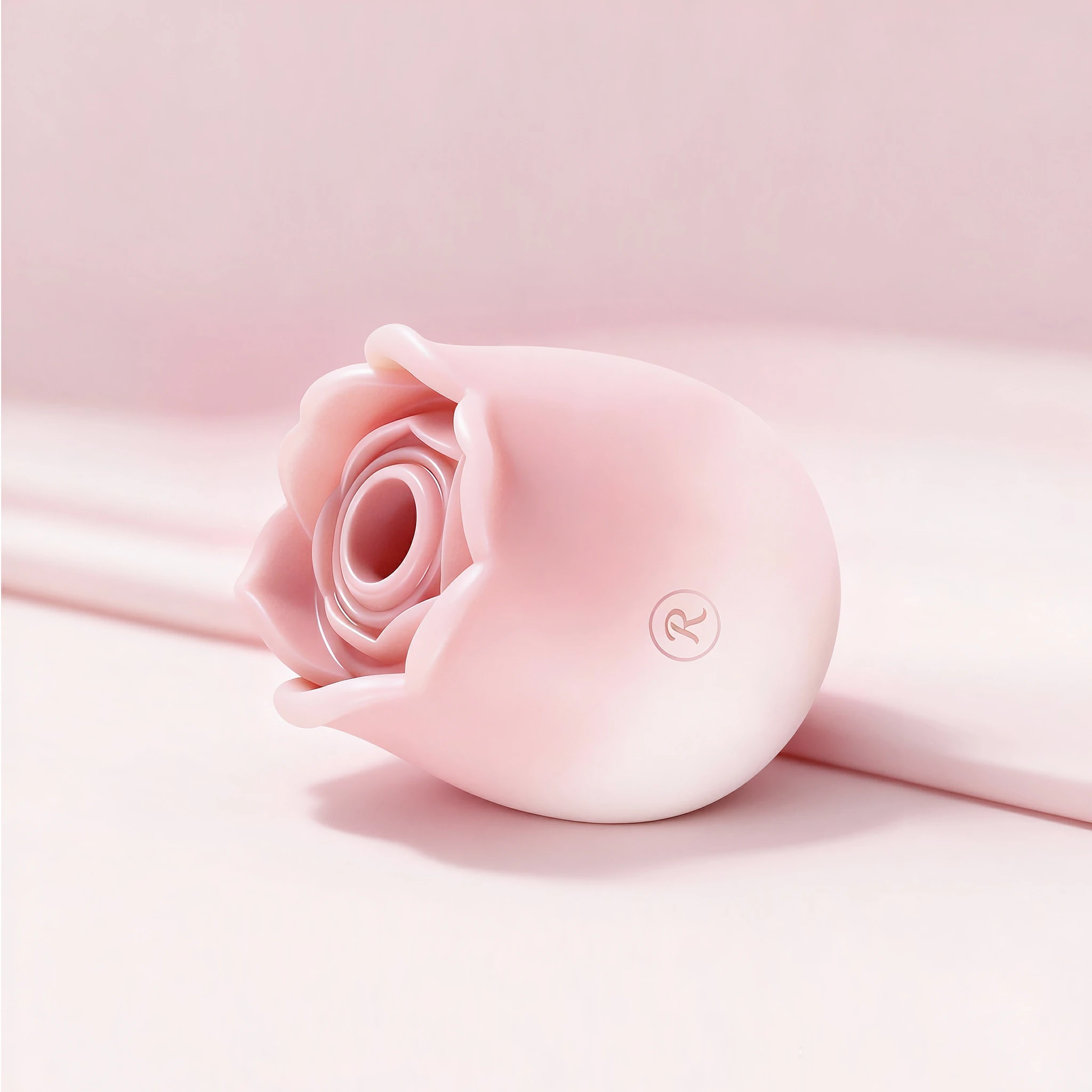
In recent years, products like the Rose Toy have become more familiar in conversations around personal wellness.
What makes these products interesting is not only their function, but also the way people view them today.
Traditional ideas around intimate products were often surrounded by embarrassment or secrecy. Now, many people see them as part of a broader conversation about self-care, body awareness, and personal comfort.
The rose-inspired design of products like the Rose Toy has also helped change the way people think about intimate wellness. Instead of feeling like something hidden away, it can feel more like a personal item chosen for relaxation and self-exploration.
For someone dealing with stress, a busy schedule, or simply wanting more time for themselves, creating small moments of comfort can make a difference. Self-care does not have to be complicated.
Putting your phone away, enjoying a quiet evening, or discovering what helps you feel more connected with yourself.
Finding Your Own Way to Feel Present Again
A few days ago, I tried something simple. After dinner, I placed my phone in a drawer and left it there for two hours.
At first, I kept thinking about checking it. I wondered if I had missed an important message or something interesting online. But after a while, that feeling disappeared. I made tea, read a few chapters of a book, and enjoyed the quiet.
When I finally checked my phone again, most notifications were just advertisements and updates that could have waited.The world continued moving, even when I was not watching.
Maybe the question is not whether social media has made us happier or less happy.Maybe the real question is whether we still know how to enjoy moments that do not happen on a screen.
Because sometimes, the moments that make us feel happiest are not the ones we share online. They are the quiet moments we create for ourselves.